Fukujuen
Fukujuen is a Japanese tea house established in 1790, developing green teas and roasted styles through a long tradition of tea-making and new preparation ideas.
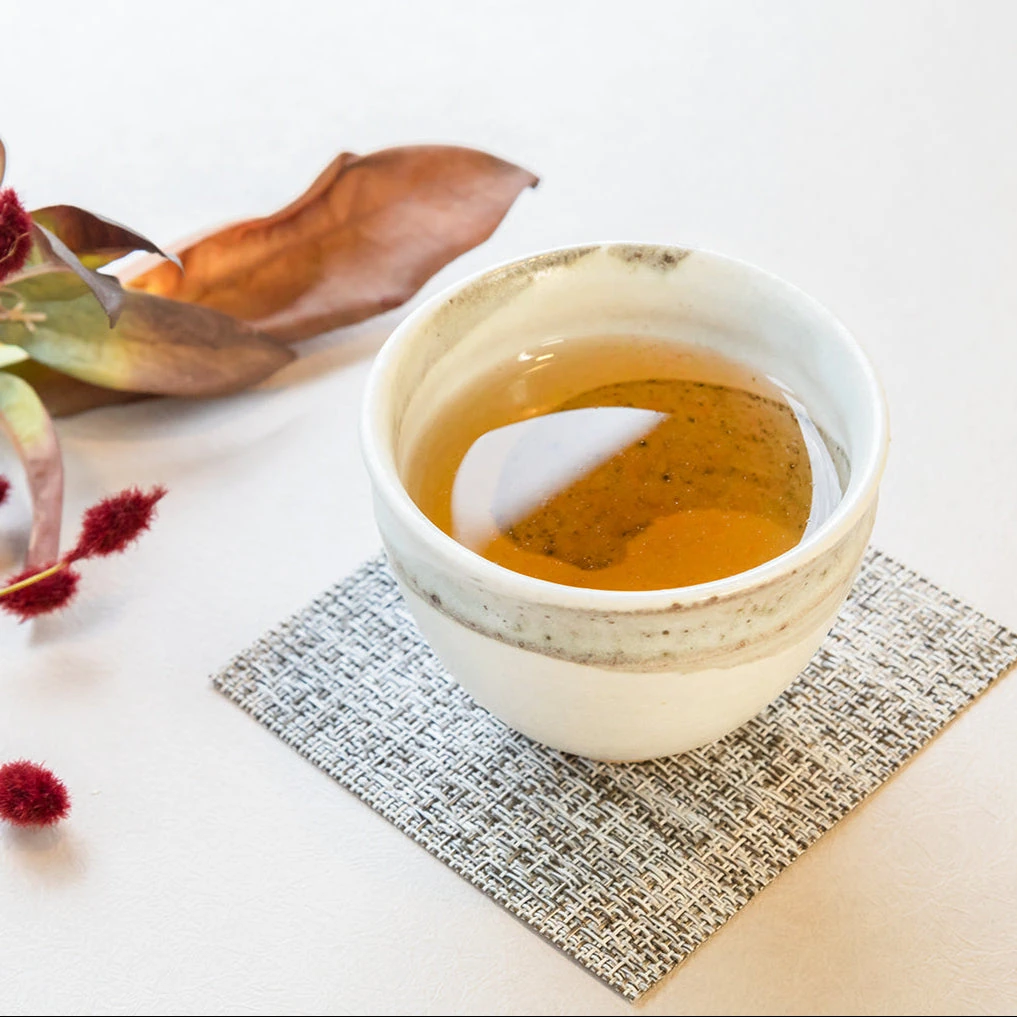
Fukujuen: origin & history.
Established in 1790 and reorganised as a company in 1949, Fukujuen has continued to develop its tea collection as drinking habits change. Matcha, gyokuro, sencha and hojicha sit alongside products created for different ways of preparing tea. Shiroi Kuki Hojicha illustrates that willingness to work differently with a familiar style. It uses the softer stems of tencha, the leaf processed for matcha, gently roasted to retain their pale appearance and bring out a toasted aroma.
Read the official history ↗︎- Country of origin
- Japan ↗︎
- History
- 1790
- Product world
- Rituals to sip ↗︎
Discover the Fukujuen selection.
A few pieces tell the story in their own way, through a shape, a material or a familiar gesture.
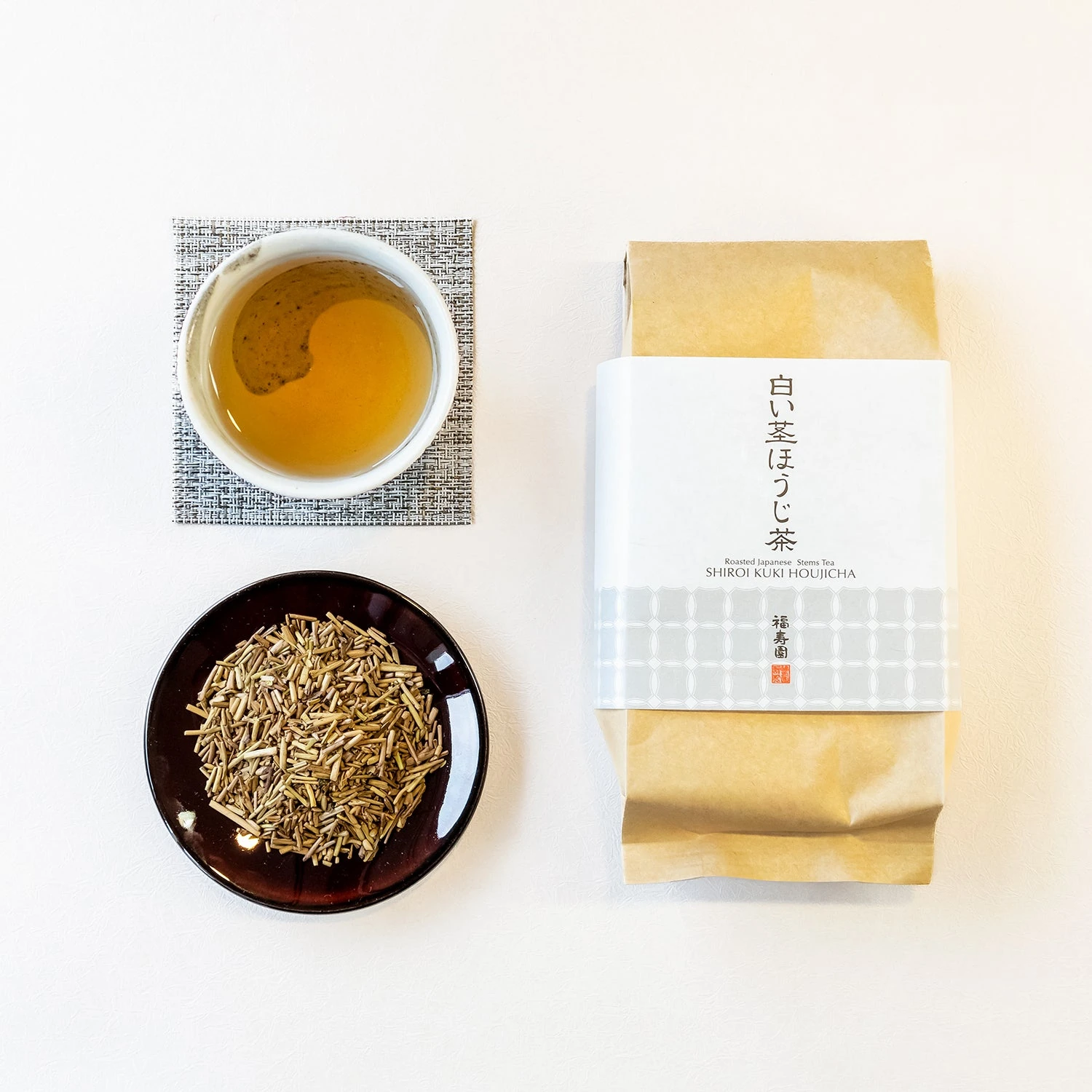
A closer look.
What catches our eye.
Using tencha stems gives this hojicha a material identity that is easy to see in the dry tea. The pale stems and clear amber cup distinguish it from darker, more heavily roasted-looking teas.
Where does Fukujuen come from?
Fukujuen is a brand of Japan origin. This describes where the brand began; individual products may be made elsewhere.
Discover more brands from Japan →Where can I buy Fukujuen?
Where to find Fukujuen.
Official website ↗︎Delivery and store links checked 2026-10-26. Check the official site for subsequent changes.
Sources & image credits
Editorial product selection, not a bestseller ranking.
Editorial reviewed 2026-10-26. Design perspectives express the Selezio editorial view.
Official brand imagery · Fukujuen