


Louis Poulsen PH 5: the story behind its layered shades
Discover Poul Henningsen’s 1958 design and how the PH 5 Opal brings a translucent material and a smaller diameter to the family.
Why Poul Henningsen designed the PH 5
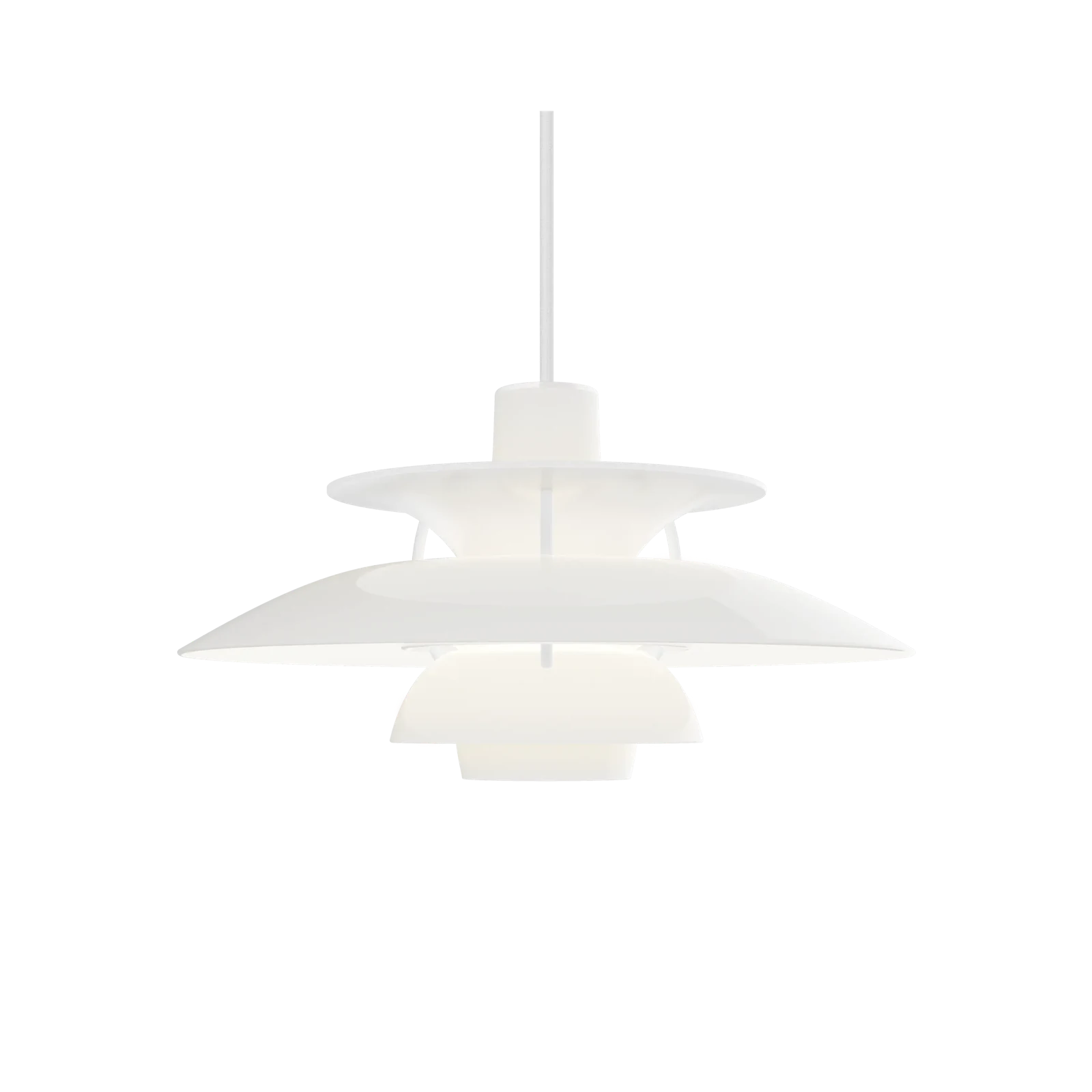
Poul Henningsen designed the PH 5 for Louis Poulsen in 1958. As bulb shapes changed, he wanted to control the light reaching the eye. Overlapping shades conceal the source from view. Most of the light travels downwards, making the pendant useful above a table.
What changes with the PH 5 Opal
The pictured Opal version has glossy, translucent shades. They let some light spread around the pendant as well as downwards. The material is acrylic, listed as PMMA. The upper shade measures 320 mm across, compared with 500 mm for the original PH 5 design. Check the edition name when comparing photographs.
Before hanging it above a table
Measure the table and consider the pendant from a seated position. Leave room to see the person opposite you and check the light over the whole surface. For the 320 mm Opal, Louis Poulsen lists an E14 socket and a 3 m textile cable. Confirm the specifications for your country and selected version before purchase, then follow its installation instructions.
Continue your discovery
Sources
Sources checked on publication.

Why is Lacoste’s logo a crocodile? The story behind the L.12.12 polo
A nickname from the tennis court became the embroidered emblem of a French polo. Follow René Lacoste’s crocodile from his blazer to the Original L.12.12.
Read the story →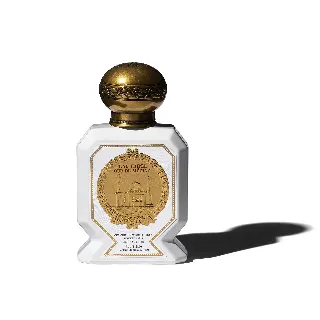
What is Buly’s Eau Triple? The Parisian story behind a water-based perfume
From a perfumer’s shop on rue Saint-Honoré to today’s Officine Universelle Buly, discover where the name comes from and how to try its Oud de Médine Eau Triple.
Read the story →