




3 Japanese tableware brands to discover: HASAMI PORCELAIN, 1616 / arita japan and KINTO
A mug, a sculpted plate and a cold-brew carafe: compare three approaches by shape, material and everyday use, without treating them as a universal ranking.
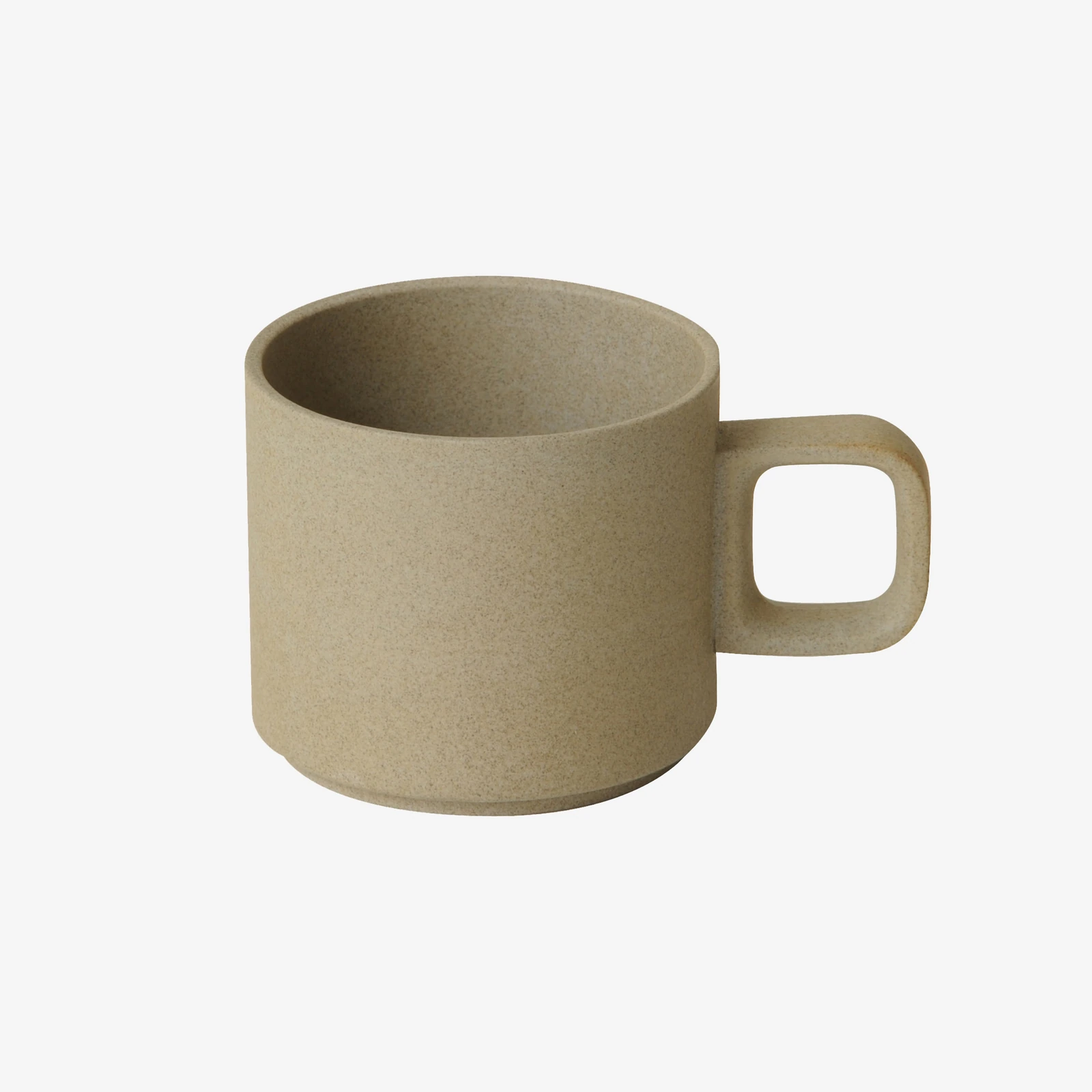
HASAMI PORCELAIN: modular shapes for a daily cup
Start here if a restrained shape and storage matter to you. HASAMI PORCELAIN was developed under Takuhiro Shinomoto’s direction, drawing on the ceramics tradition of Hasami in Nagasaki. Its modular approach takes inspiration from tiered jubako boxes. The Original Mug in Natural gives a concrete entry into that language: a straight-sided cup with a handle and an understated surface. Saikai lists the HP019 version at 85 mm in diameter and 72 mm high, with manufacture in Hasami, Japan. Compare the exact dimensions with your cupboard and preferred drink rather than choosing by a photograph alone. Check compatible pieces before planning a stack.
1616 / arita japan: a plate with a different outline
For a table where the plate itself provides detail, explore the TY Palace Plate Grey 220. Teruhiro Yanagihara designed it within 1616 / arita japan’s TY Standard collection. Its radiating relief and shaped edge offer a different visual direction from the plain cylinder of the Hasami mug. The official collection presents the Palace Plate Grey 220 as a 2012 design and describes a broader system of pieces that can be combined for different uses. This is a selection by design character, not a claim that one plate is better for every meal. Compare the usable surface, cupboard space and the exact product’s care guidance before building a setting around it.
KINTO: bring the drinks into the comparison
KINTO broadens the selection from ceramics to serving drinks. The Japanese company’s LUCE Cold Brew Carafe holds 1 L and combines a glass body with a stainless-steel outer lid and a removable mesh filter for coffee or tea prepared with water. It is worth comparing if you want one vessel for preparation and serving, rather than another plate or mug. Japanese brand origin does not mean every product is made in Japan: KINTO’s US specification identifies this carafe as made in China. Read the component instructions separately, especially for heating and cleaning. The selection is based on documented form, materials and use; it includes no hands-on performance test or claim about stock or price.
Continue your discovery
Sources
Sources checked on publication.
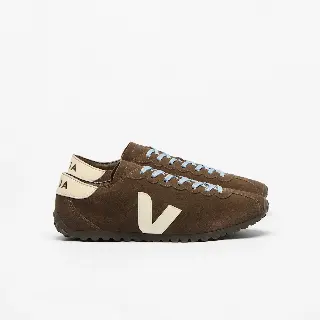
Where is VEJA from? French origins, Brazilian roots and Portuguese production
A French brand can make its shoes elsewhere. Follow VEJA’s story and learn how to check the manufacturing country of the pair you are considering.
Read the story →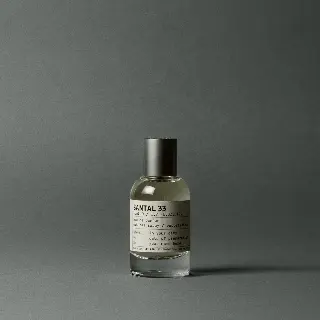
Le Labo SANTAL 33 vs ANOTHER 13: two scents, two different stories
Compare the woody character of SANTAL 33 with the ambroxyde-led composition of ANOTHER 13, then plan what to smell before choosing.
Read the story →